The purebred calendar in Alberta is set by biology first and by tradition second. Calving dictates when nothing else can happen; bull sales have to land before commercial breeding season; shows fill the summer; the big fall fairs close the year. This is the shape of it. No dates on this page are current-season dates — for those, see the Canadian Angus Association.
January to April — calving
Most Alberta purebred herds calve from late January through March, earlier than the commercial average, because a bull sold as a yearling needs age on him by sale day. It is the hardest work of the year and it happens in the coldest weather of the year, which is not a coincidence anyone enjoys. Everything else on the calendar bends around it.
February to April — bull sale season
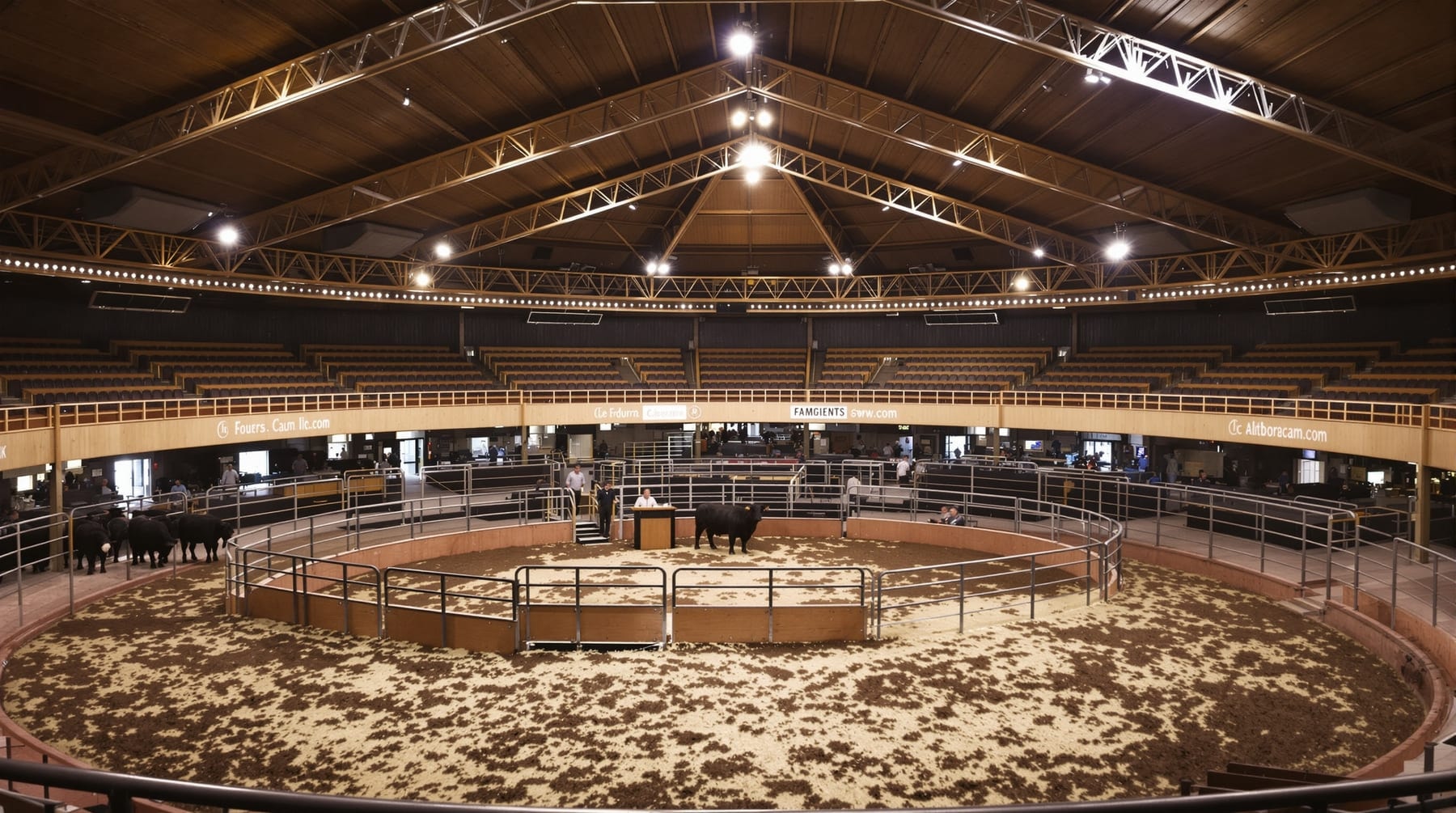
The concentration of Alberta bull sales into late winter and early spring is the single busiest commercial period in the purebred year. Sales run as on-farm production sales, as multi-consignor sales at auction marts and as long-established fixtures such as the Calgary Bull Sale. Commercial buyers are shopping for bulls that will be turned out in June, so the timing is dictated from the buyer's end.
For a first-time buyer the practical advice does not change much year to year: get the catalogue early, work out which two or three traits actually limit your herd before you look at any individual animal, check accuracy values alongside the EPDs, and see the bulls in person if you can. Our breed characteristics page covers the traits; the Beef Cattle Research Council publishes Canadian material on bull selection.
May and June — grass and breeding
Cattle go out on grass, bulls go out with cows, and the purebred calendar goes quiet. This is when artificial-insemination programmes, embryo work and the year's mating decisions are executed, and when the show string is selected and started on feed.
July and August — the summer show season
The provincial junior show and the summer multi-breed events fall here, including the large youth events held at Olds and elsewhere in the province. Summer shows are as much about the junior programme as the open classes — see juniors and 4-H. Summer is also when the smaller field days, pasture tours and open houses happen, which are where most of the informal business of a breed association actually gets done.
September and October — weaning and preparation
Calves come off the cows, replacement heifers are selected, and the show string for the fall fairs goes on full feed. Commercial calf runs begin at the auction marts, which is where the value of the previous year's bull decisions finally becomes visible as a cheque.
November — the fall fairs
Farmfair International in Edmonton and Canadian Western Agribition in Regina are the two big fall fixtures for western Canadian purebred cattle, and Angus classes at both are substantial. These are the shows where national reputations are made and where a great deal of breeding stock changes hands in the barn aisles rather than the ring.
December to February — meetings, awards and planning
The annual meeting, the awards presentation (see recognition), committee turnover and the next year's budget all land in the quiet weeks before calving starts again. It is also catalogue season: photographs taken, data verified, sale books printed.
What a production sale day looks like
An on-farm bull sale is a single day that a year of work funnels into. Cattle are penned and sorted the day before; buyers walk the pens through the morning, catalogue in hand, marking lots; the sale itself runs a couple of hours in the afternoon; and settlement, delivery arrangements and a great deal of standing about with coffee follow. Most of the actual selling happens in the pens, not in the ring — the ring only sets the price.
For a buyer, the useful ritual is to walk the pens early, in daylight, before the crowd. Look at feet, at structure, at how a bull moves off when you push him, and check the numbers against the animal in front of you rather than the other way round.
Weather runs the calendar
Every fixture above is provisional in a province where a March storm can close highways for two days and a wet spring can push seeding into the window everyone had set aside for something else. Sale dates get moved, shows lose entries, and calving in a cold snap simply takes precedence over everything. Anyone planning around this calendar should treat it as a pattern rather than a promise.
Checking real dates
Show and sale schedules move every year and this site does not track them. The Canadian Angus Association publishes the national event calendar, and Canadian Cattle Association covers wider industry events.